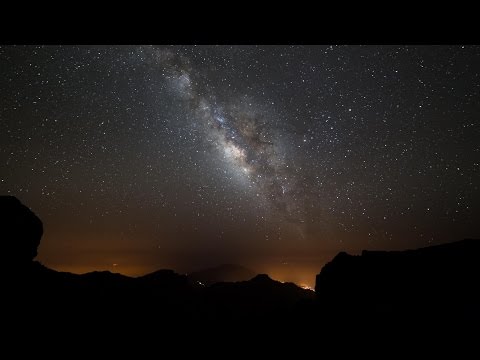
The Milky Way Above the Canary Islands
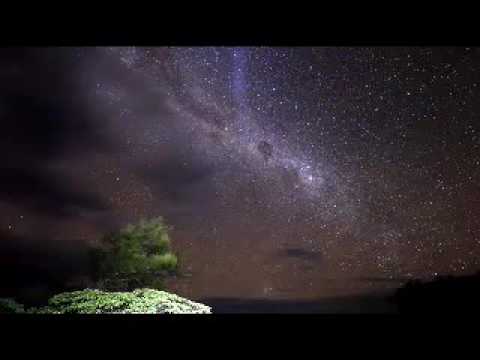
The following time-lapse video shows us a selection of images of the Milky Way taken from the Canary Islands. All the images are captured in 4K resolution with Sigma 15mm f2.8 fisheye lens.

The following time-lapse video shows us a selection of images of the Milky Way taken from the Canary Islands. All the images are captured in 4K resolution with Sigma 15mm f2.8 fisheye lens.
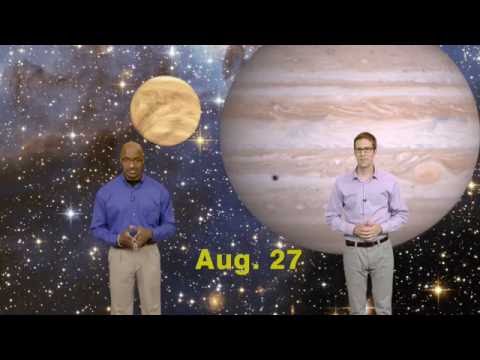
During this month, Venus and Jupiter will be extremely close to each other and form a conjunction. On August 27th, we will be able to enjoy this beautiful space event just after sunset.
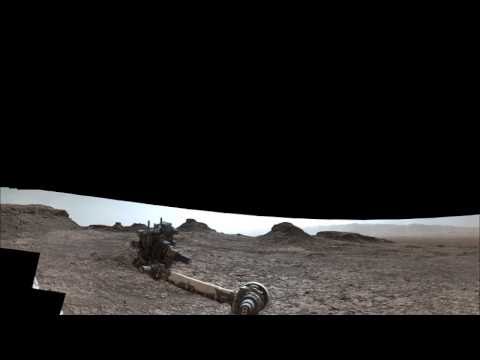
This new image of Mars provides us with a 360-degree view of one of Martian regions known as Murray Buttes. With dragging a mouse, we can explore the interesting area of this Martian scene.
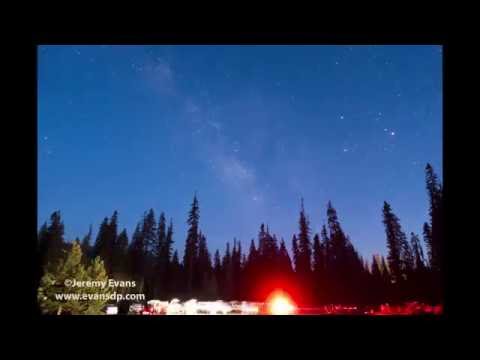
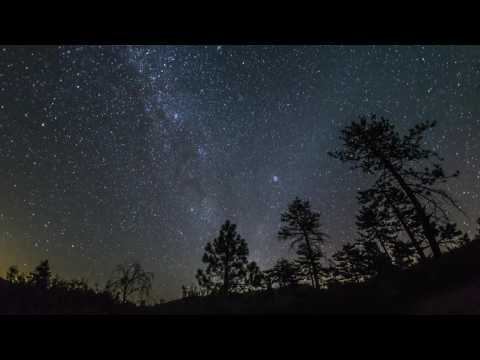
This time-lapse video was created during the 3rd Annual Dark Sky Festival that was held in Sequoia National Park, California. The video shows the Milky Way with the Perseid Meteor Shower.
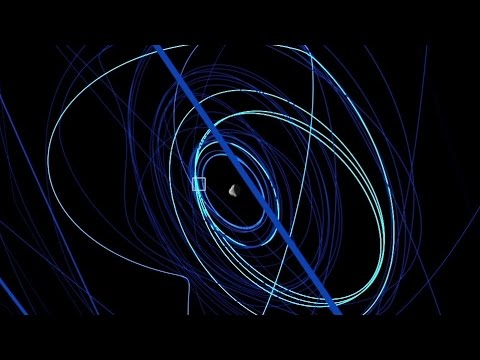
Earlier this year, scientists from the California Institute of Technology in Pasadena hypothesized about the ninth planet in our Solar System, that lies in the Kuiper Belt, the icy area beyond Neptune. According to...
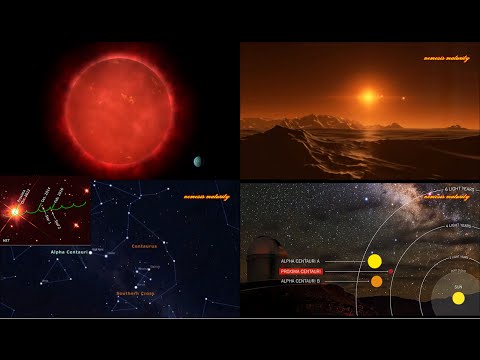
Using data from the European Southern Observatory’s (ESO) La Silla Observatory in Chile, scientists have discovered the Earth-like planet that might be potentially the closest habitable planet so far. According to them, the planet...
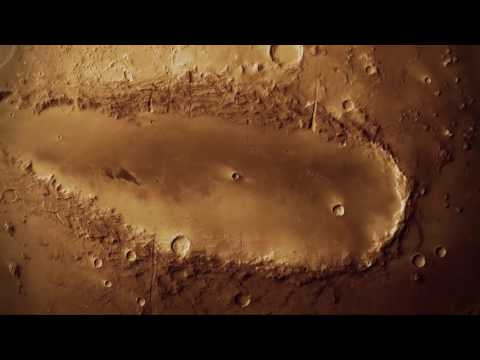
This time-lapse video consists of images taken by the ESO’s Mars Express. They show diverse areas of the Red Planet, all captured by the High-Resolution Stereo Camera.
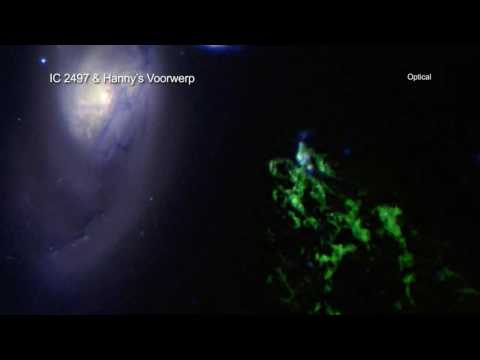
Using Chandra Space Telescope, a team of astronomers has revealed changes in the behavior of a gassy structure, known as the “Green Blob.” Namely, this cosmic structure that is 650 million light-years away from...
This year, the Perseid meteor shower has reached its peak on August 12th and 13th. This time-lapse video captured the Perseid meteor shower over Noble Canyon in Cleveland National Forest, California.
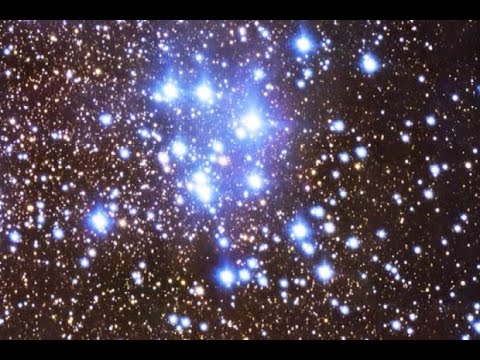
Using the ESO’s Very Large Space Telescope, scientists made this new image of star cluster Messier 18. The cluster consists of young blue stars that are all born from the cloud of galactic gas...
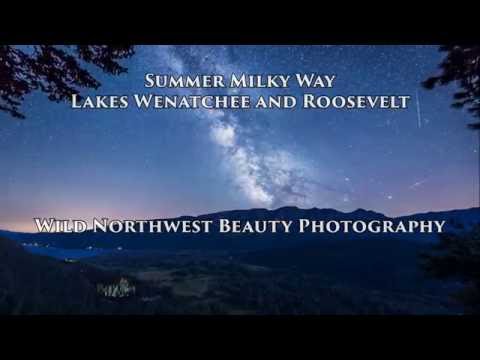
This time-lapse video represents a selection of images of the Milky Way taken from Lakes Wenatchee and Roosevelt, Washington. All images are captured by an astrophotographer Meg McDonald.
The international team of astronomers has found a stellar void in the center of the Milky Way. Namely, the whole region around the center of the Milky Way, known as the Extreme Inner Disk,...
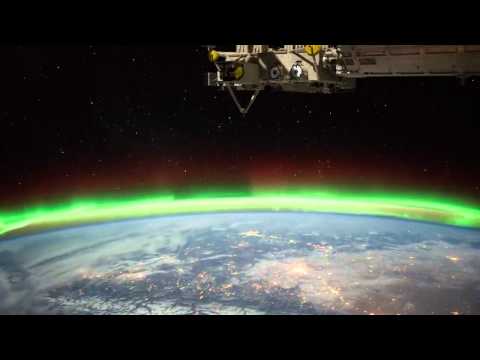
The following time-lapse video contains the images captured by the astronauts from the International Space Station (ISS).
The Rosetta spacecraft began its journey on July 31, 2014, and assisted the little lander Philae to reach the surface of the comet 67P/Churyumov – Gerasimenko in November 2014. During the mission, Rosetta probe...
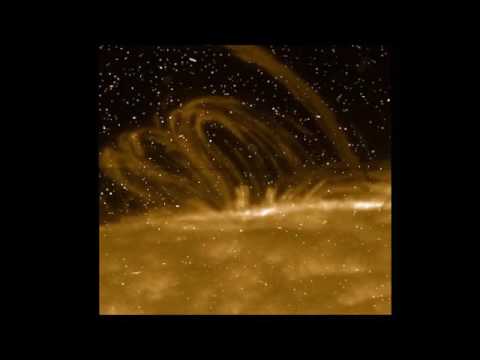
Using data from the IRIS mission, scientists have detected unusual rain on the Sun’s surface. Namely, they explain that solar flares raise material and energy as plasma rain, falling on the Sun in great...
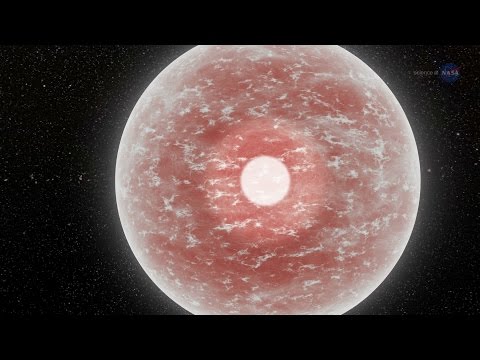
Using NASA’s Kepler Space Telescope, scientists found strong magnetic field inside 80 percent of stars. This finding can help scientists better understand how stars form and how it affects their further evolution.
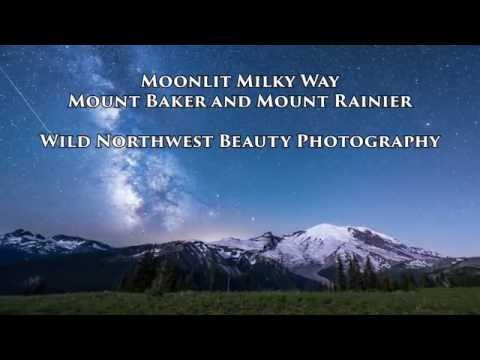
This video contains images that portray the beauty of the Milky Way while rising above Mount Baker and Mount Rainier, Washington. The images are captured by an astrophotographer, Meg McDonald.
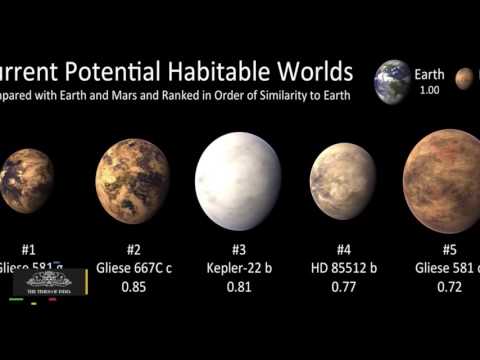
NASA’s Kepler Telescope has detected more than 4,000 exoplanets and more than 200 of them in the so-called habitable zone. From that group, scientists have identified 20 planets that are potentially the most habitable.


 Space.com: NASA, Space Exploration and Astronomy News RSS Feed