The Future of Space Opera: What Lies Ahead for This Beloved Genre
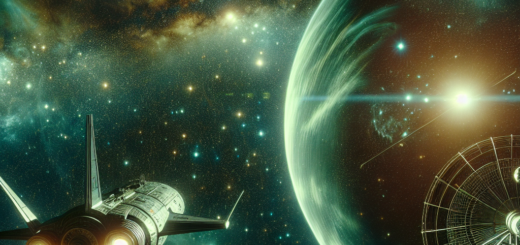
Space opera has long been a beloved genre in science fiction, capturing the imaginations of readers and viewers with its epic tales of adventure, romance, and exploration in the vast reaches of outer space. From classic works like Isaac Asimov’s Foundation series to modern blockbusters like Star Wars and The Expanse, space opera has remained a staple of the genre for decades.
But as we look to the future, what lies ahead for this beloved genre? Will it continue to thrive and evolve, or will it fade into obscurity as tastes and trends change? There are several key factors that will shape the future of space opera in the coming years.
One of the biggest challenges facing space opera is the rise of other subgenres within science fiction, such as cyberpunk and dystopian fiction. These genres have gained popularity in recent years, with their gritty, futuristic worlds and emphasis on technology and societal issues resonating with audiences. As a result, space opera may need to adapt and incorporate elements of these subgenres in order to stay relevant and attract new readers.
Another factor that will shape the future of space opera is the increasing diversity and representation in media. Historically, space opera has been dominated by white, male protagonists, but there is a growing demand for stories that reflect the diverse world we live in. Authors and creators will need to make a conscious effort to include characters of different genders, races, sexual orientations, and backgrounds in their space opera stories in order to appeal to a wider audience.
Advancements in technology and the exploration of space in real life may also influence the future of space opera. With companies like SpaceX and NASA making strides in space exploration, the possibilities for new and exciting stories set in the cosmos are endless. Authors and creators may draw inspiration from these real-world developments to create more realistic and engaging space opera narratives.
Ultimately, the future of space opera will depend on the creativity and innovation of the authors and creators who bring these stories to life. As long as there are storytellers who are passionate about exploring the mysteries of the universe and the human experience, space opera will continue to captivate audiences for years to come.
In conclusion, the future of space opera is bright and full of potential. As long as the genre continues to evolve and adapt to the changing times, it will remain a beloved and enduring part of science fiction literature and entertainment. So buckle up, dear readers, because the stars are calling, and the adventures that lie ahead are sure to be out of this world.