Parallel Universes: A Closer Look at the Existence of Alternate Realities
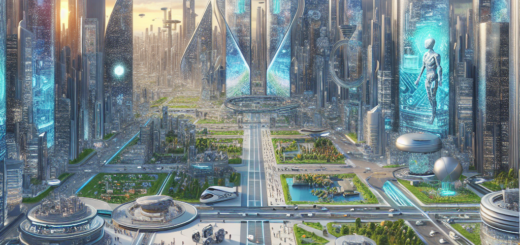
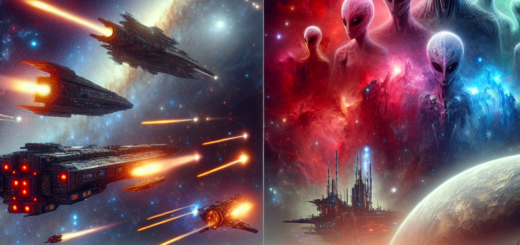
The concept of parallel universes, also known as alternate realities or multiverses, has fascinated scientists, philosophers, and science fiction enthusiasts for centuries. The idea that there may be multiple versions of our universe, each with its own set of physical laws and realities, is a mind-boggling and intriguing concept that raises many questions about the nature of existence and the possibilities of other worlds.
The theory of parallel universes stems from the idea that our universe may not be the only one in existence. According to some interpretations of quantum mechanics, there could be an infinite number of universes, each branching off from the next at every moment of decision or possibility. This theory, known as the “Many-Worlds Interpretation,” suggests that every possible outcome of a given situation actually occurs in a separate universe, creating a vast and diverse multiverse of parallel realities.
While the idea of parallel universes may sound like pure science fiction, there is actually some scientific evidence to support the concept. In recent years, researchers have proposed various theories and models that could explain the existence of parallel universes, such as the theory of cosmic inflation, which suggests that our universe is just one of many bubbles in a larger “multiverse” that is constantly expanding and creating new universes.
One of the most compelling pieces of evidence for the existence of parallel universes comes from the field of quantum mechanics, which describes the behavior of particles on a microscopic scale. According to the principles of quantum mechanics, particles can exist in multiple states at once, known as superposition, and can also become entangled with each other, leading to the possibility of parallel realities.
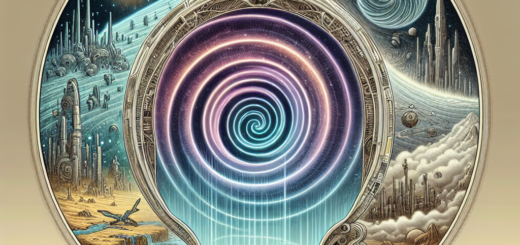
Another intriguing aspect of parallel universes is the idea of “wormholes,” hypothetical tunnels or shortcuts through space-time that could connect different points in the universe or even different universes. While wormholes remain purely theoretical at this point, they are a popular concept in science fiction and could potentially provide a way for beings to travel between parallel worlds.
Despite the tantalizing possibilities of parallel universes, the concept remains highly speculative and controversial within the scientific community. Critics argue that there is currently no direct evidence for the existence of parallel universes and that the theory is based on unproven assumptions and extrapolations from quantum mechanics.
However, the idea of parallel universes continues to capture the imagination of scientists and researchers, who are actively exploring new ways to test and validate the theory. From experiments at the Large Hadron Collider to studies of the cosmic microwave background radiation, scientists are constantly pushing the boundaries of our understanding of the universe in search of evidence for alternate realities.
In conclusion, the concept of parallel universes offers a fascinating glimpse into the possibilities of other worlds and realities beyond our own. While the existence of parallel universes remains a topic of debate and speculation, the theory continues to inspire new ideas and discoveries in the field of cosmology and quantum physics. Whether parallel universes are ultimately proven to exist or remain a tantalizing mystery, the concept will continue to captivate our imagination and challenge our understanding of the nature of reality.