Hubble Era of Astronomy
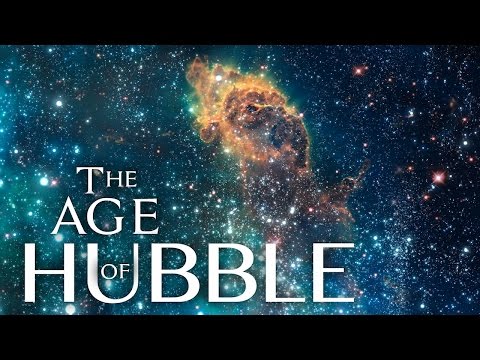
This video reminds us of Hubble era, which enabled us to grasp the complexity of space phenomena, galaxies, stellar systems, nebulas, black holes, etc. Scientists got enormous quantities of data that helped not only...

This video reminds us of Hubble era, which enabled us to grasp the complexity of space phenomena, galaxies, stellar systems, nebulas, black holes, etc. Scientists got enormous quantities of data that helped not only...
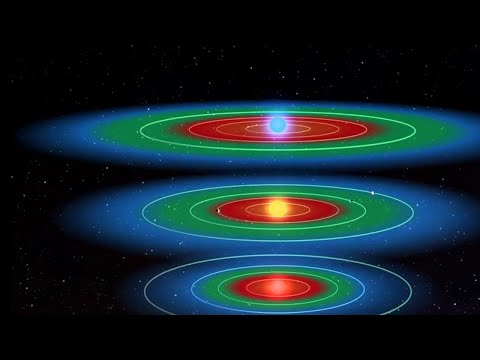
Using Kepler’s data, scientists from the Neil Bohr Institute at Denmark’s University of Copenhagen found out 228 planets in 151 systems that are located at the “habitable zone” when orbiting their stars. According to...
The best model of the Universe, we have today, is the Lambda – CDM model. The following video explains on easy-to-understanding way the whole theory on which this model is based.
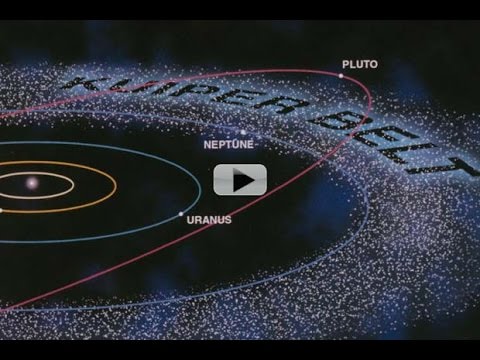
The first exploration of the “Third Zone” of our Solar System is about to happen. Dr. Alan Stern speaks about the importance of this huge step from known Solar System into a completely unknown...
This video lists ten cosmic bodies, selected by their huge size. Every space object is followed with the interesting facts we currently know about it.
John Seach from Australia has discovered a new binocular nova in Sagittarius – Scorpio area of the Milky Way. It can be observed in the early morning, close to Saturn and double star Graffias.
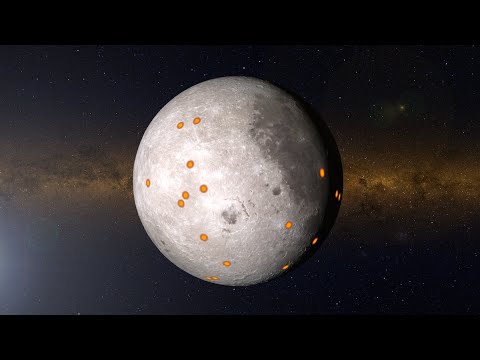
NASA’s Lunar Reconnaissance Orbiter (LRO) discovered new craters on the Moon that was formed in recent 38 years. They are not very large (cca 10 meters), but contains a lot of fresh material to...
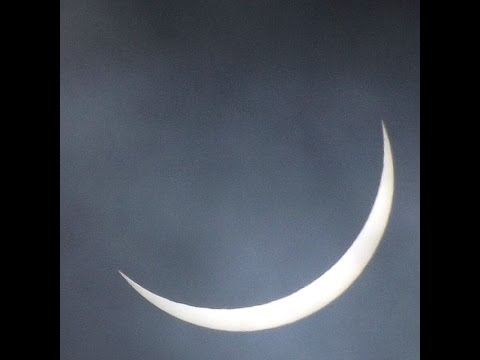
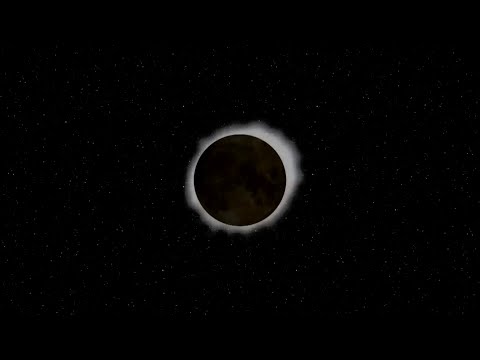
Total Solar Eclipse, which observers could watch from the Faroe Islands, as well as in Svalbard, took place on Friday (March, 20th). In this video, we can see beautiful Moon’s disc passing in front...
This video contains a selection of images of the night sky made by amateurs and professional photographers.
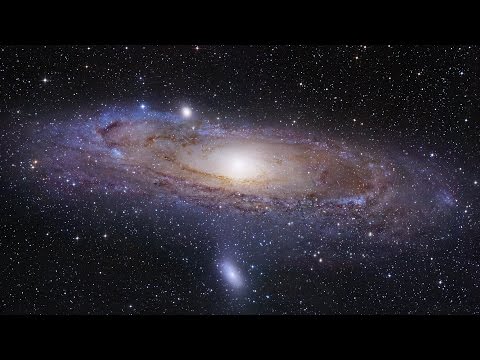
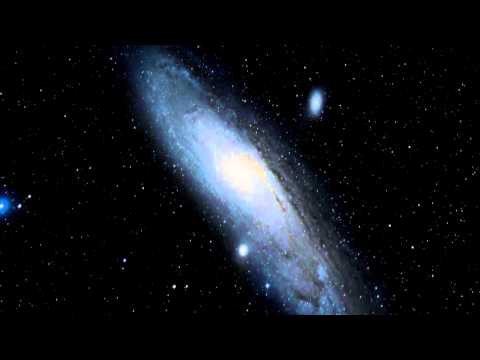
This time-lapse video shows over a hundred stars of the Andromeda galaxy, a huge image taken by the Hubble Space Telescope. This high resolution image was taken in January 2015 and has 1.5 billion...
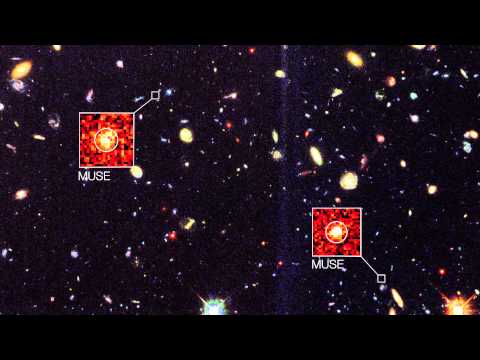
In 1995, the Hubble Space Telescope took many famous images that are known as the Hubble Deep Field. Today’s instruments on ESO’s Very Large Telescope called MUSE – Multi Unit Spectroscopic Explorer – reveals...
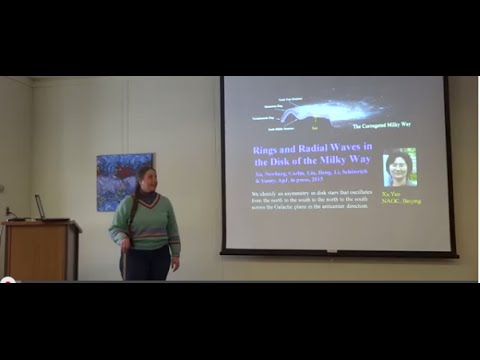
According to new research, the size of the Milky Way is 150.000 light years instead of 100.000, as was thought before. Another scientific survey has, also, shown that the Milky Way has a complex...
This video shows us the areas where it will be possible to see the Total Solar Eclipse on March 20. It is a rare coincidence that the solar eclipse happens on the spring equinox....
This video represents a selection of the most vibrant images of our Universe. It shows the Universe in all its beauty, coloring, and diversity of objects.
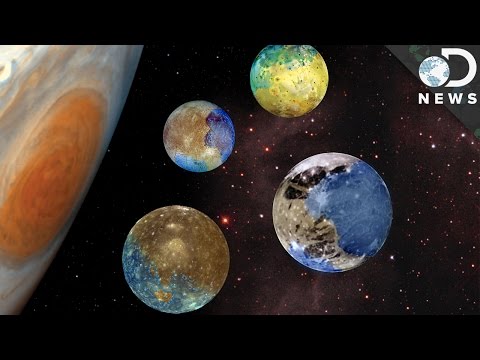
Julia from DNews reviews previous scientific explorations in our Solar System in search for water and extraterrestrial life. She points out at the new discoveries on three Jupiter’s moons – Ganymede, Enceladus, and Europe,...
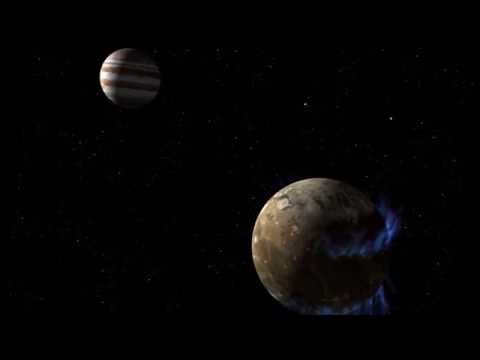
Scientists have long assumed that the largest Jupiter’s moon, Ganymede, has a liquid water beneath its surface. The new evidence from the Hubble Space Telescope confirmed that Ganymede has a vast ocean, which is...
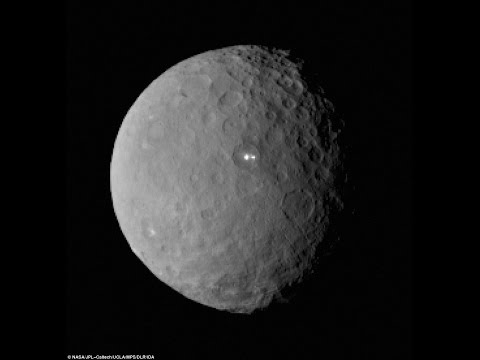
The latest image taken on Ceres shows two bright spots that scientists still have not an answer. They theorize that the lights from these spots originate from the bottom of their craters, full of...
When two galaxies come very close to each other, they collide. Scientists believe that elliptical galaxies are mostly products of the process of collision. This video explores the phenomenon.

 Space.com: NASA, Space Exploration and Astronomy News RSS Feed