Best Outer Space Videos Blog
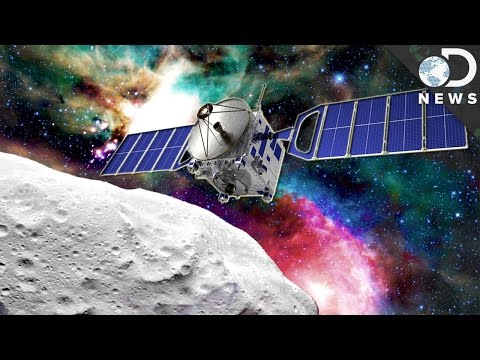
In the following video, Trace Dominguez from DNews explores the issue of Philae’s landing on the Comet 67P/ Churyumov – Gerasimenko. He explains what scientists have learned from the Philae’s visit that they did...
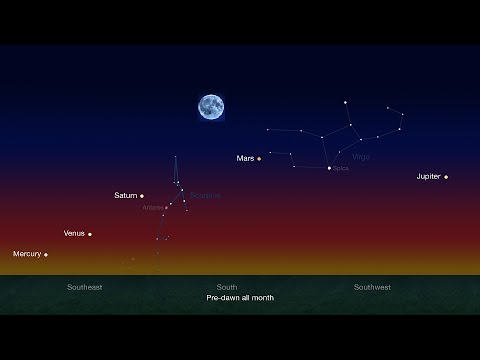
The following video shows us what significant events and space objects will be visible in the February’s night sky. The five visible planets – Mercury, Venus, Mars, Jupiter and Saturn – can be observed...
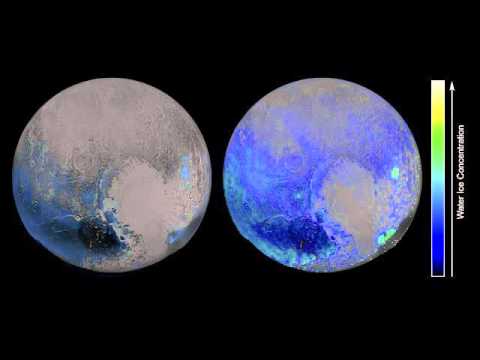
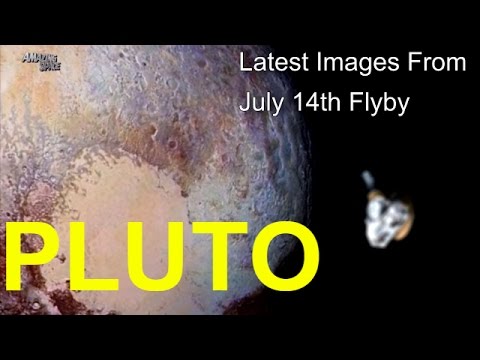
This video shows infrared Pluto’s map of water ice that is taken by NASA’s New Horizons spacecraft. This new map displays areas of water ice with greater precision. Despite that, it still does not...
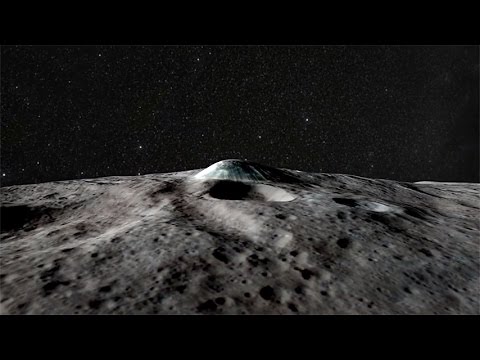
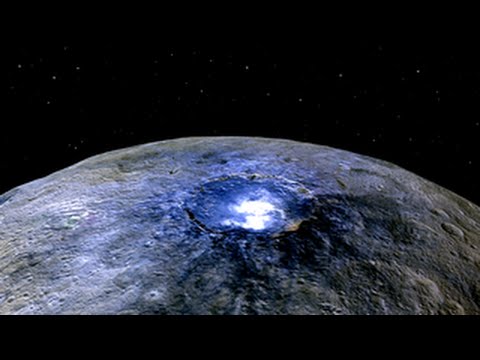
NASA’s Dawn spacecraft made many images of Ceres from August to October 2015. This video uses these images and makes a simulated view of dwarf planet Ceres. We can enjoy in flying over the...
The following time-lapse video represents a compilation of images taken from the Island of La Palma and Tenerife, Spain. The images reveal the beauty of starry nights and the Milky Way above the Canary...
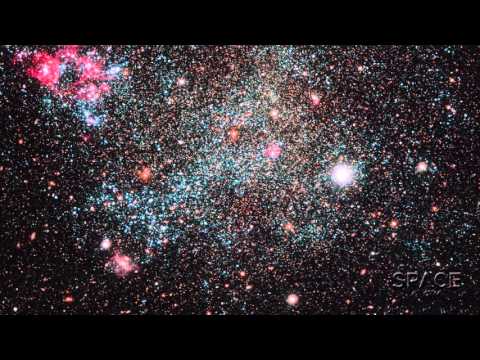
By using ESO’s Very Large Telescope, astronomers have taken a new image of a dwarf galaxy, a so-called ‘tidy neighbor’ of the Milky Way. The tidy galaxy is also known as IC 1613 and...
This video contains 25 images that fascinate us the most. Among them are the pictures of nebulas, gas clouds and other interesting space objects. One of the most popular ones is the so-called Pillars...
The following video explains how the general public can observe a live planet hunt that will last from January to April 2016. We can follow the scientists in their efforts to find out an...
During this week, we will be able to observe the five visible planets that come into alignment after ten years. This lineup will be more visible due to the Moon, which will join them...
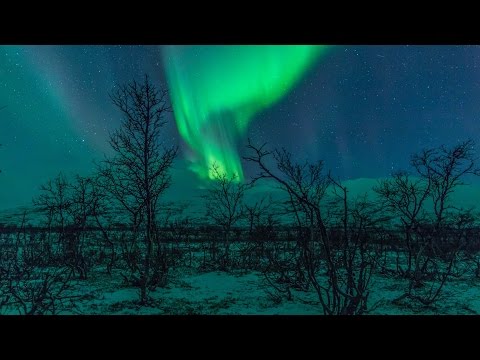
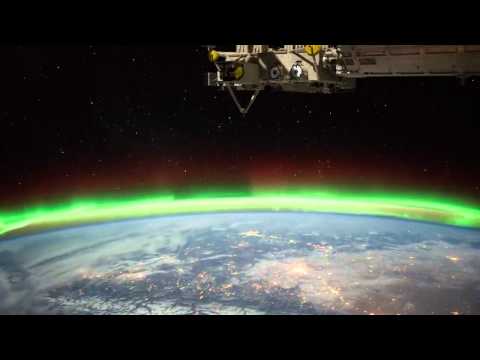
The following time-lapse video shows amazing Aurora Borealis while dancing above Tromso in northern Norway. The images were captured during autumn 2015.
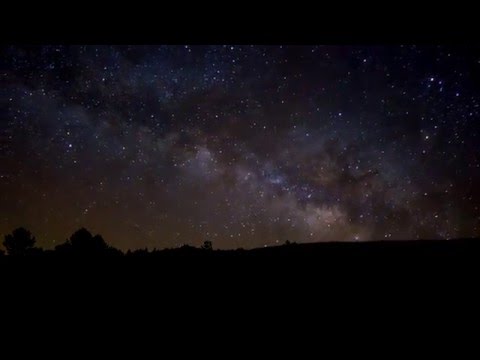
This time-lapse video shows the Milky Way images taken from Big Sur, California. The images were captured by astrophotographer Vrajesh Patel on April 2015.
Two scientists from the California Institute of Technology did a research and published its results in the Astronomical Journal on a potential ninth planet that lies on the fringe of our Solar System. Namely,...
After 10 years, we can observe again all 5 visible planets that come into alignment from January 20th to February 20th, and can be seen just before the sunrise. These 5 planets were in...
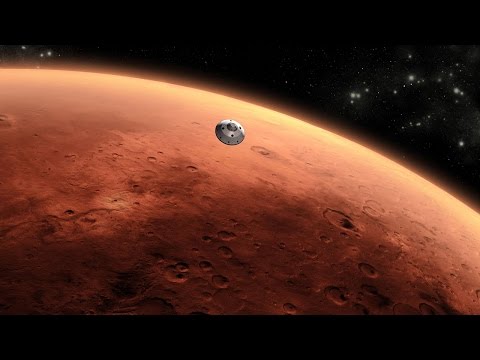
Until recently, scientists can only speculate about water on Mars. However, today, we have a lot of evidence that reveals interesting facts about water on Mars. This video shows us the 25 most interesting...
NASA’s New Horizons spacecraft is still sending data of Pluto’s extraordinary surface. In the following video, we can see the most interesting images of Pluto’s such as its ice volcanoes, its mysterious icy plain,...
NASA’s Dawn spacecraft captured the high-resolution images of Ceres and its craters that show new bright spots. Scientists found bright material on the rim and walls of the Ceres’ youngest crater – Cupalo crater....
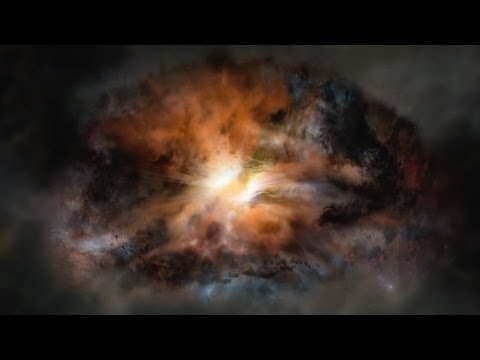
By using Atacama Large Millimeter/ submillimeter Array (ALMA) have discovered the most luminous galaxy, known as W2246-0526, which is, in fact, a chaotic galaxy that is tearing itself apart. The galaxy is 12,4 billion...
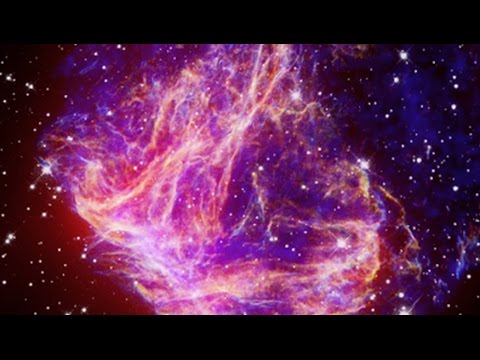
The international team, known as the All Sky Automated Survey for SuperNovae team (ASAS-SN), has discovered the brightest supernova that was about 50 times more luminous than the Milky Way. The powerful supernova is...