Best Outer Space Videos Blog
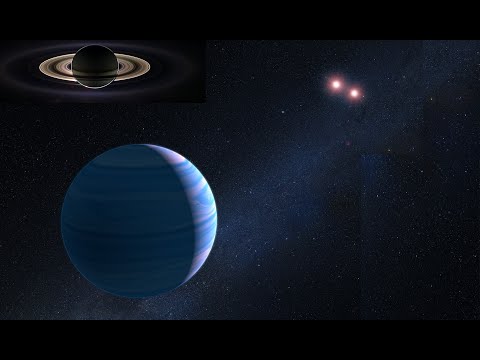
Using the NASA’s Hubble Space Telescope, scientists have discovered a planet that orbits around two dwarf stars, located 8,000 light-years away from our planet. The dwarf stars are 7 million miles away from each...
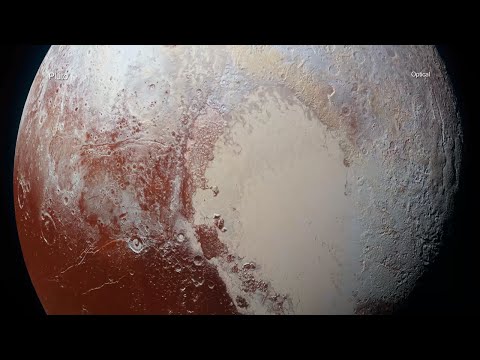
A new study has found that there is a huge possibility that the icy world of Pluto might contain a salty ocean beneath its surface. Scientists speculate that the density of the ocean might...
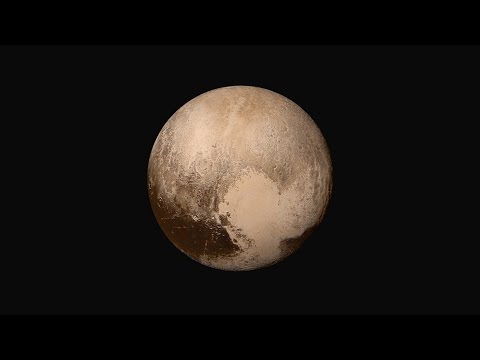
The following video contains the famous images of dwarf planet Pluto that taken together represent an animated tour of the dwarf planet. The video is made on the basis of data gathered by the...
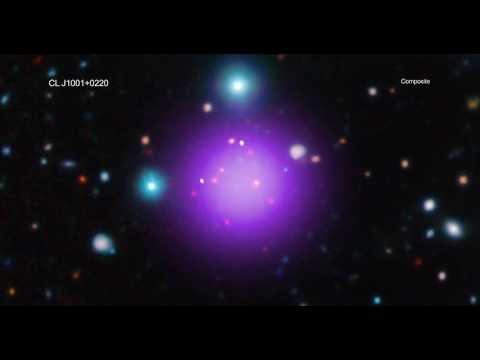
Using Chandra X-ray Observatory, scientists have captured a galaxy cluster that goes from its youthful phase to more mature. The galaxy cluster is named as CLJ 1001+0220 and is 11.1 billion light-years away from...
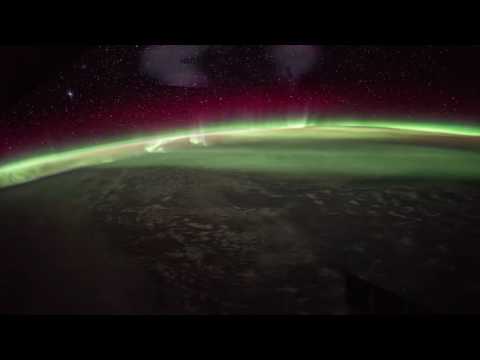
The following time-lapse video is captured from the International Space Station (ISS) and represents a compilation of images taken above the Indian Ocean.
Even though the Moon is the closest space object to our planet, there are many facts that keeps it still the mystery. This video gives us the list of strange facts about our satellite.
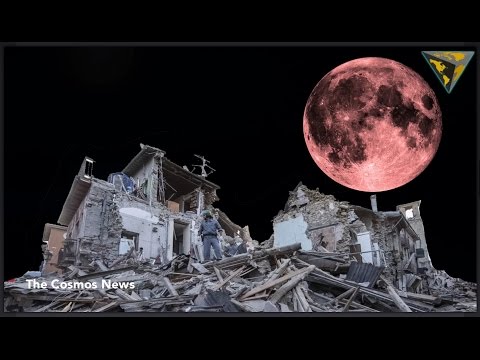
A team of geologists from the University of Tokyo has found that the gravitational pull of the Full Moon can trigger immense earthquakes. According to them, this finding can help in the prevention of...
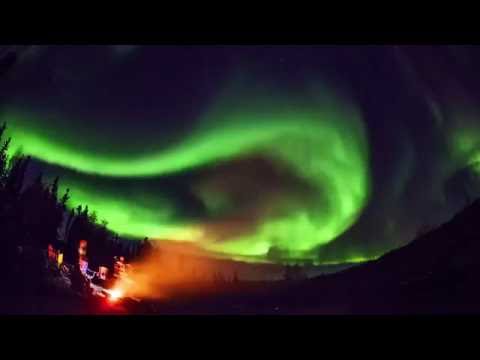
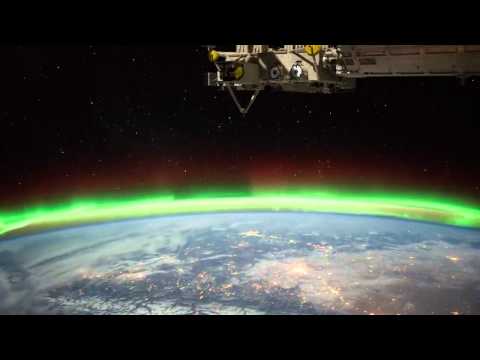
This time-lapse video contains a selection of images of Aurora Borealis captured from Yellowknife, Canada. All images are taken by an astrophotographer, Yuichi Takasaka.
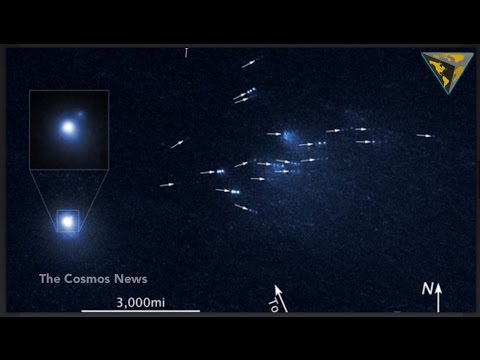
Using the NASA’s Hubble Space Telescope, astronomers have snapped a photo of Comet 332P/ Ikeya – Murakami while it orbits the Sun. They have captured the comet in the very moment of its disintegration...
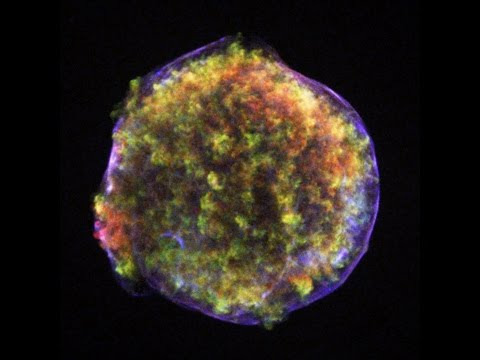
The following video explores the evidence that shows our Solar System is located just in the middle of the Local Bubble, a cloud of gas created by supernova explosions. According to scientists, this bubble...
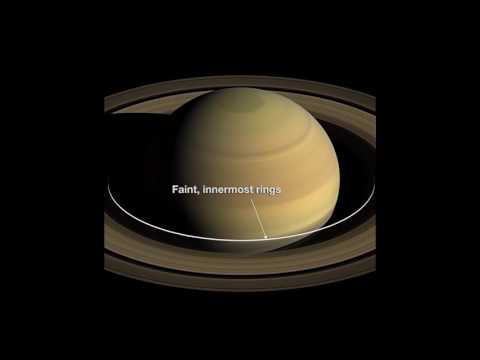
Using data from NASA’s Cassini spacecraft that observed Saturn during four days in April this year, scientists captured the planet’s hexagon-shaped jet stream at its north pole.
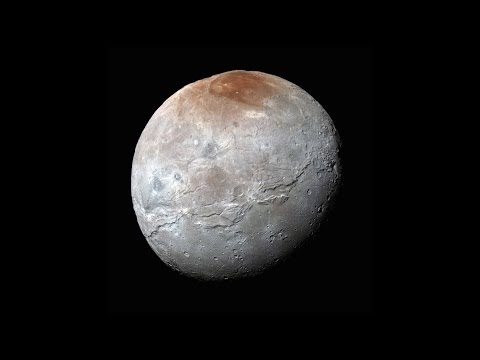
Using data from the NASA’s New Horizons spacecraft gathered in July, last year, scientists have discovered that the Pluto’s largest moon, Charon, has a red spot that possibly comes from Pluto’s atmosphere. Its color...
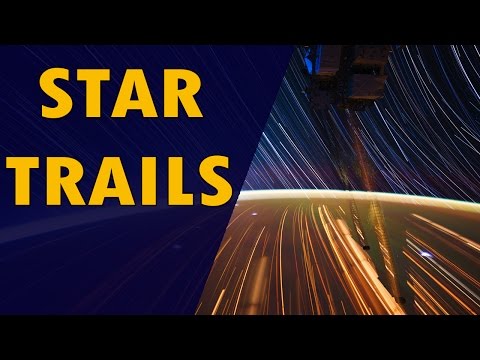
This video is created by astronomers from the International Space Station (ISS). They have used about 5,000 images to help us see star trails.
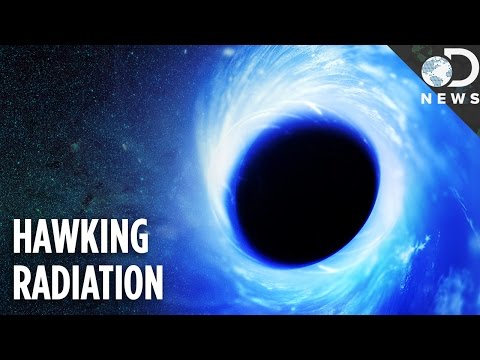
Physicists have been exploring mechanisms that lie beyond black holes for years. Recent evidence shows there is possibility of black holes to lose their mass and actually evaporate.
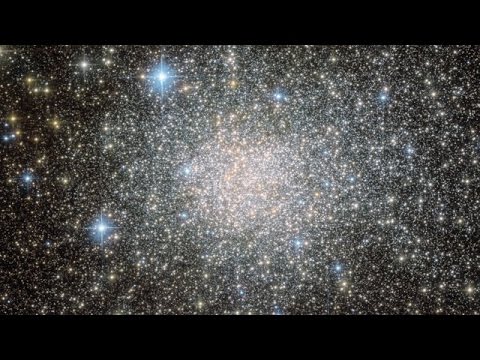
Using ESO’s Very Large Telescope, the NASA/ ESA Hubble Space Telescope and the Keck Telescope, scientists have discovered Terzan 5, an unusual globular star cluster that does not look like as any other globular...
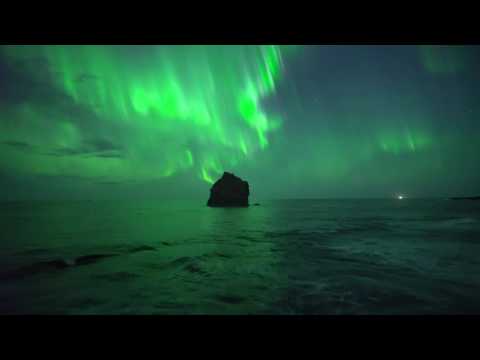
The following time-lapse video contains the images of astonishing Aurora Borealis, captured from different locations in Iceland. The video is created by OZZO Photography.
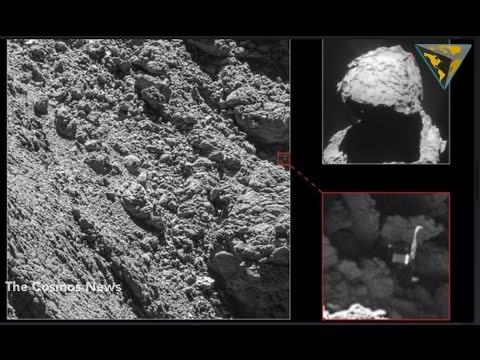
New images from the European Space Agency’s (ESA) Rosetta Spacecraft have discovered Philae probe lying in a dark crack, unable to recharge its solar batteries. Philae probe has successfully landed on the Comet 67P/...
Using the NASA’s Spitzer Space Telescope, astronomers have captured new images of two nebulas, IRAS 19340+2016 and 19343+2026, that resemble famous Enterprise starship from the television series Star Trek.